- The Canopy
- Posts
- 🌳 How to avoid forever chemicals
🌳 How to avoid forever chemicals
Thursday 12/11: Sponsored by Tailfeather and Relatable - Plant-grown cups, sunset of the day, and avoiding forever chemicals

Thursday
“Dear old world… you are very lovely, and I am glad to be alive in you.”
L.M. Montgomery
In today’s issue, we’ll take a look at:
Plant-grown cups might replace plastic
Sunset of the Day in Turks and Caicos
Why clay litter dust can be harmful
How to avoid “forever chemicals”
The most stylish heating pad
True or False?
Spending just 20 minutes in nature can lower your stress hormones.
Scroll to the bottom for the answer.

Plant-Grown Cups Might Replace Plastic
A New York design studio is reimagining sustainability from the ground up. The design studio asked a simple but bold question: What if we could grow cups instead of manufacturing them? The result is The Gourd Project, which uses 3D-printed molds to shape gourds into functional, fully compostable drinking vessels.
The gourds grow into cup-like forms inside the molds, then dry into durable, watertight shells. Known as HyO-Cups, these natural containers can be tossed in the compost bin when they’re done. It leads to no plastic, no chemicals, and no landfill waste.
The studio hopes to expand production, aiming to turn this backyard experiment into a global alternative to single-use plastics.
Why Clay Litter Dust Can Be Harmful
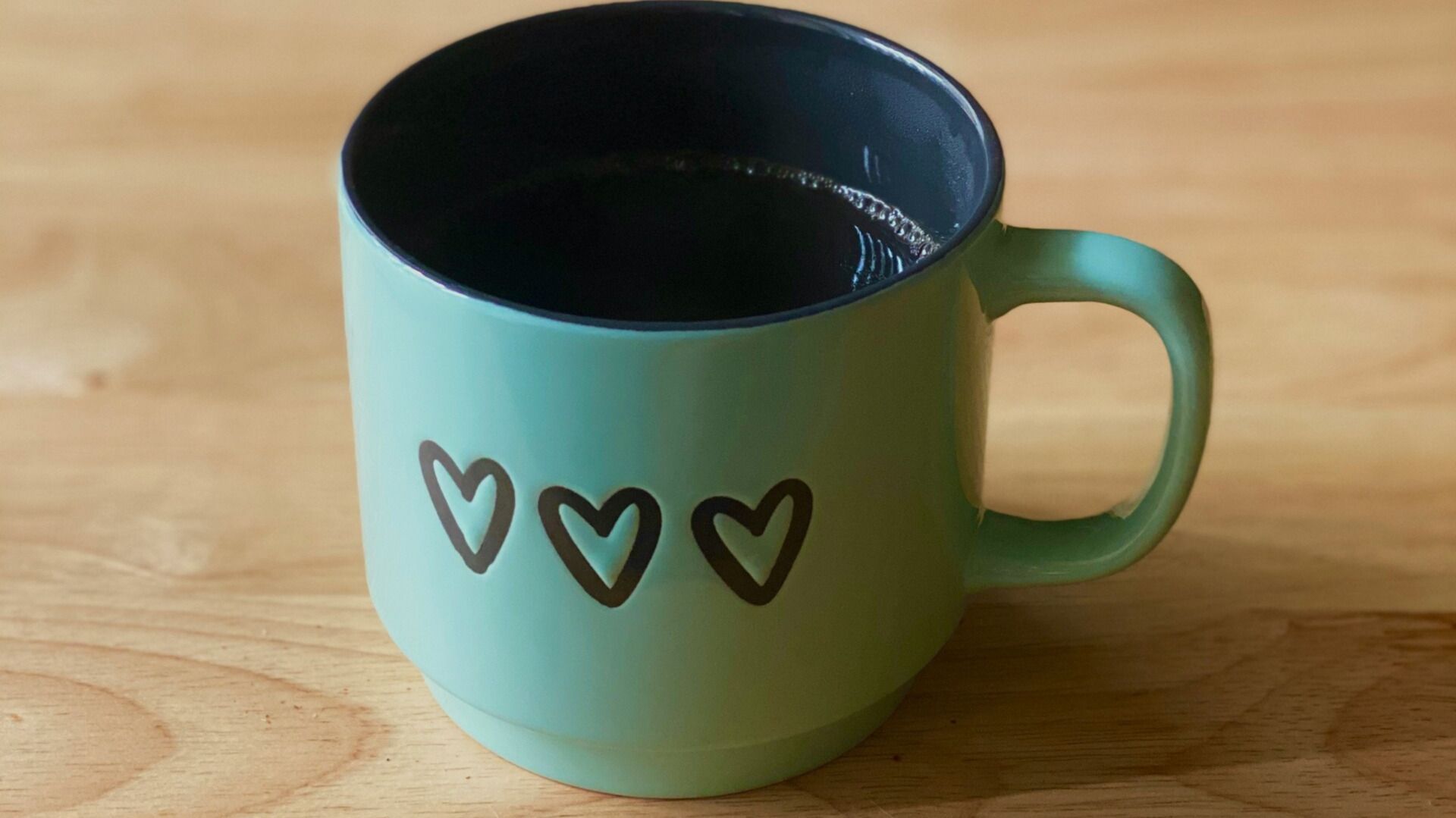
Clay cat litter is one of the most widely used litters in the U.S., but the dust it creates can carry health concerns. Most traditional clay litters are made from bentonite clay, which can contain crystalline silica, a substance the CDC and OSHA classify as a known human carcinogen when inhaled in significant or repeated amounts.
While occasional exposure from scooping isn’t the same as occupational-level silica exposure, the dust released during pouring, cleaning, and daily use can accumulate in the air over time, especially in small or poorly ventilated spaces. Because of this, many veterinarians recommend switching to plant-based, silica-free litters, which generate less airborne dust and don’t carry the same carcinogenic risk.

Image courtesy of The Canopy reader, Andi.
This Cat Litter Is Made From Plants
Most traditional cat litters are made from strip-mined clay or silica. Both end up in landfills when thrown away and are not biodegradable.
A new natural cat litter called Tailfeather is changing this with their eco-friendly, plant-based, clumping cat litter made from coconut and cassava.
Why coconut? The husk of the coconut absorbs liquid up to 9 times its weight! This makes for a soft, luxurious litter that cats love and is 70% lighter than traditional litter, but also doesn't track and bounce out of the box.
It's fully biodegradable and 100% plastic-free, including the packaging. Tailfeather is delivered conveniently to your door, and each package lasts for 8 weeks, double the amount of other litters.
For the next 24 hours, Canopy readers get a $15 credit on your first order with code Canopy15.

Thank you to Tailfeather for sponsoring The Canopy.
How to Avoid “Forever Chemicals”
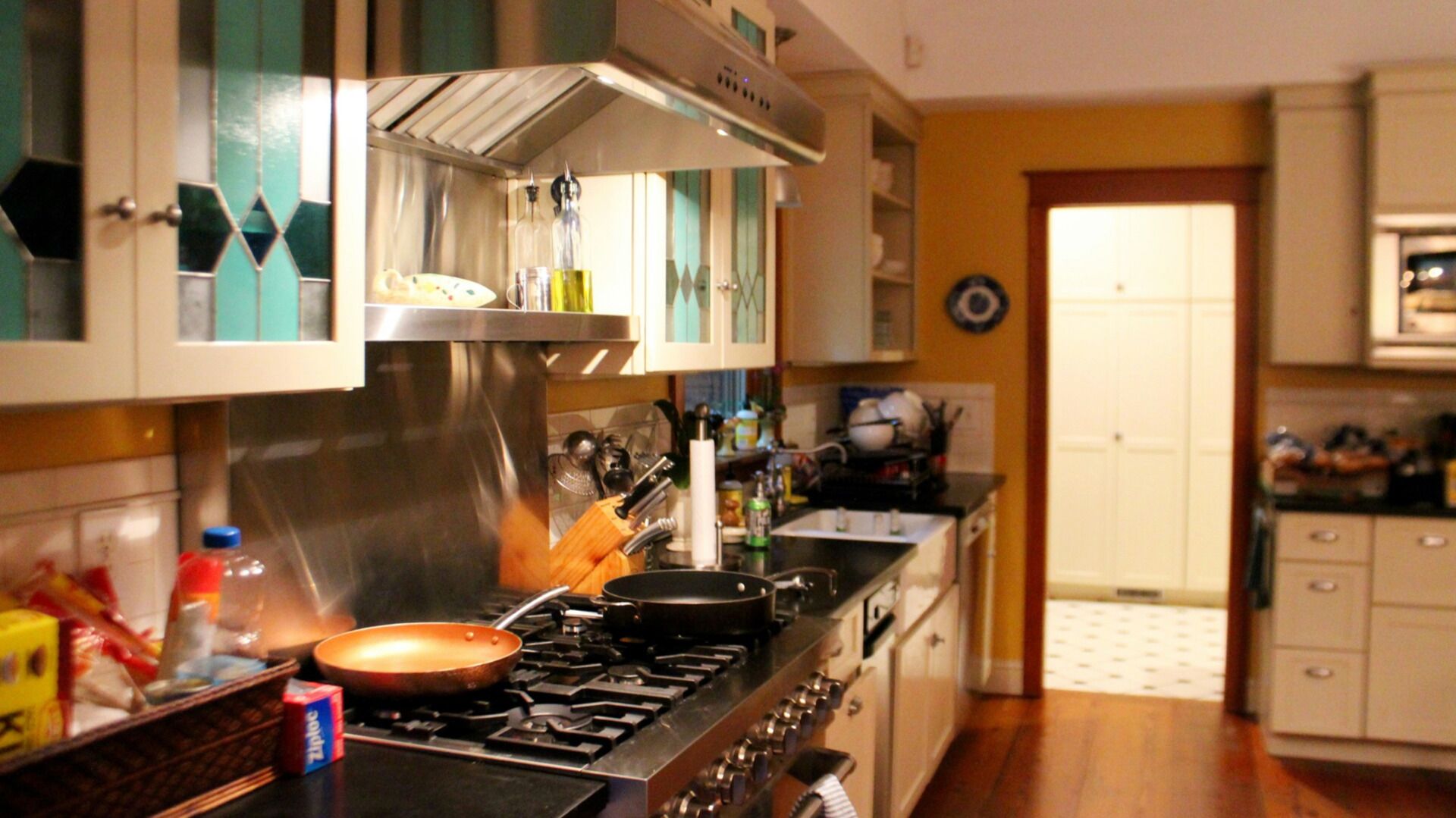
PFAS, often called “forever chemicals”, are substances used to make products waterproof, nonstick, and stain-resistant. They show up in everything from cookware and carpets to fast-food wrappers and mascara. The problem? These chemicals don’t break down easily and can build up in our bodies and the environment over time.
Avoiding these forever chemicals doesn’t have to be complicated. Start in the kitchen: swap nonstick pans for cast iron, stainless steel, or ceramic. Choose glass or stainless containers instead of plastic, and look for food that isn’t packaged in grease-resistant wrappers.
In your home, pick untreated fabrics when buying carpets or furniture, and choose clothing made from natural fibers over waterproof synthetics. You can also use a water filter labeled to reduce PFAS and dust regularly to limit indoor buildup. Small swaps like these go a long way toward keeping your home, and the planet, a little cleaner.
Is this the cutest heating pad ever?
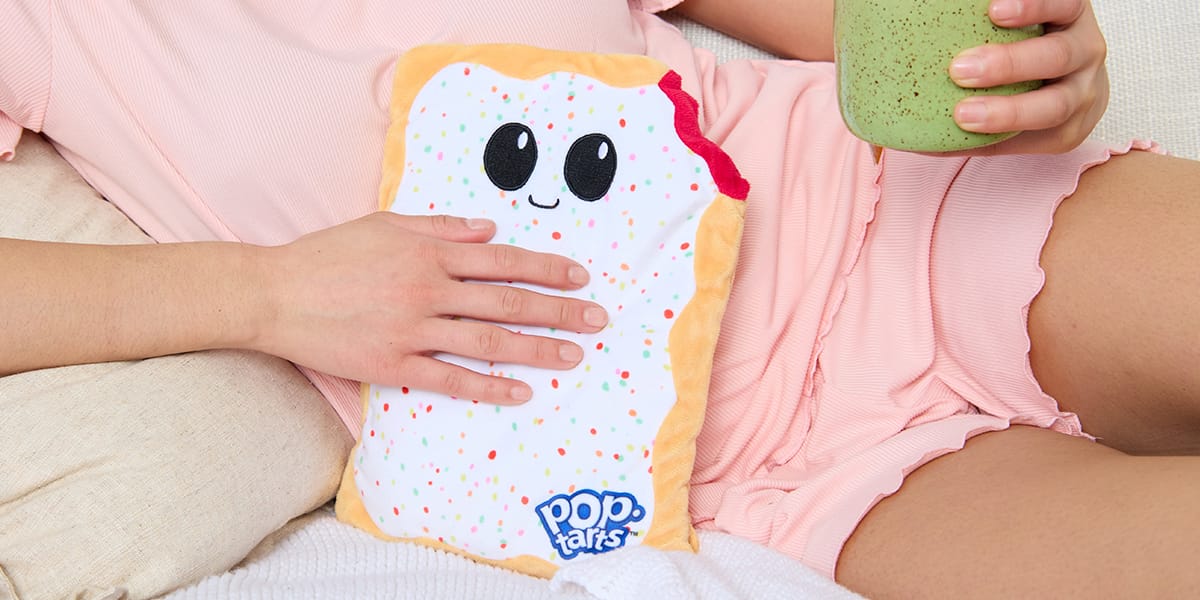
If you’re looking for a gift that’s fun, functional, and irresistibly nostalgic, the Happy Helpers Pop-Tart Heating Pad deserves a top spot in your holiday roundup. This heating pad version of the iconic Strawberry Frosted Pop-Tart heats up in the microwave to provide gentle, lasting relief from cramps, tension, and everyday aches.
Ideal for stocking stuffers, White Elephant parties, or anyone who appreciates a cozy pick-me-up with a playful twist. This warm, toasty “treat” is one holiday gift that’s sure to bring cheer!
Thank you to Relatable for sponsoring The Canopy.
Final Thoughts:
From fall flowers to baby dolphins, check out this week’s top eco-friendly finds:
Reflections:
🌎 True or False: True. Even a walk through a local park has measurable mental health benefits.
🌅 Sunset Of The Day: The sun can provide the most beautiful photography. That's why we're eager to see your favorite sunrise or sunset photos. Reply to this email with your best sun-based pictures for a chance to be featured!