- The Canopy
- Posts
- 🌳 See NYC's green street
🌳 See NYC's green street
Friday 2/13: Sponsored by Timeline and Tailfeather - NYC green street, save on groceries, sunset of the day

Friday
“Look to the wild when you forget what matters.”
In today’s issue, we’ll take a look at:
The NYC street that turned into a green oasis
Money-saving eco-friendly grocery tips
The link between mitochondria and strength
Sunset of the day in Santa Fe
True or False?
Aluminum is the most recycled material on Earth.
Scroll to the bottom for the answer.

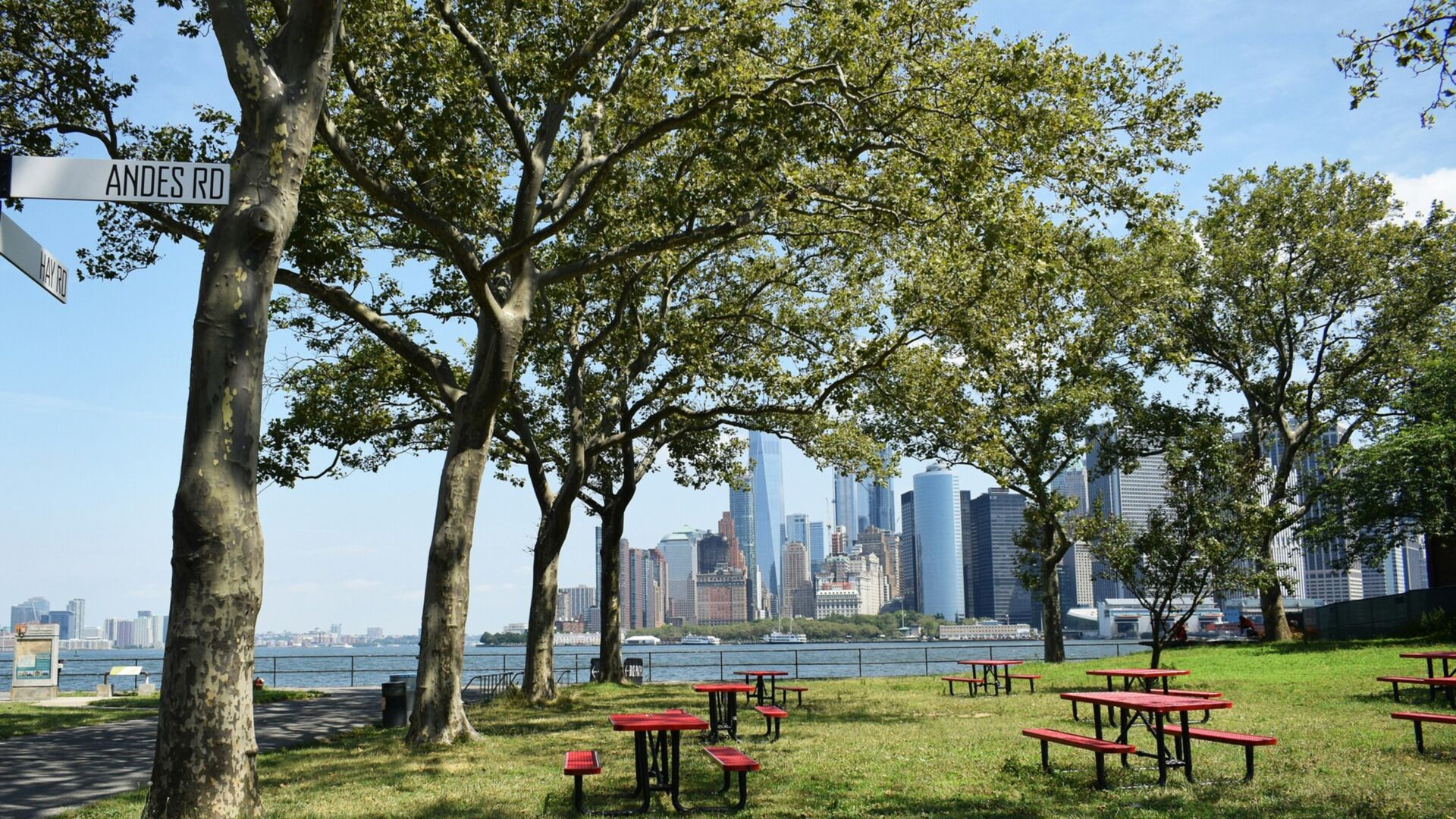
How an NYC Street Became a Green Oasis
When COVID-19 shut down New York in 2020, residents in Jackson Heights, Queens, turned a 1.3-mile stretch of 34th Avenue into something new: a people-first green street. What began as a temporary measure has since grown into a permanent, city-backed project with nearly $90 million in funding.
Once dominated by cars, “Paseo Park” now hosts everything from Zumba to food pantries, and offers a car-free zone for over seven schools nearby. Community members helped shape the park’s future by organizing petitions, visioning sessions, and multilingual surveys that emphasized safety, stormwater management, and accessibility.
The transformation hasn’t been without pushback (some residents have raised concerns over traffic and parking), but community momentum remains strong. For many, Paseo Park is more than a street redesign: it's a model for urban resilience and people-powered change.
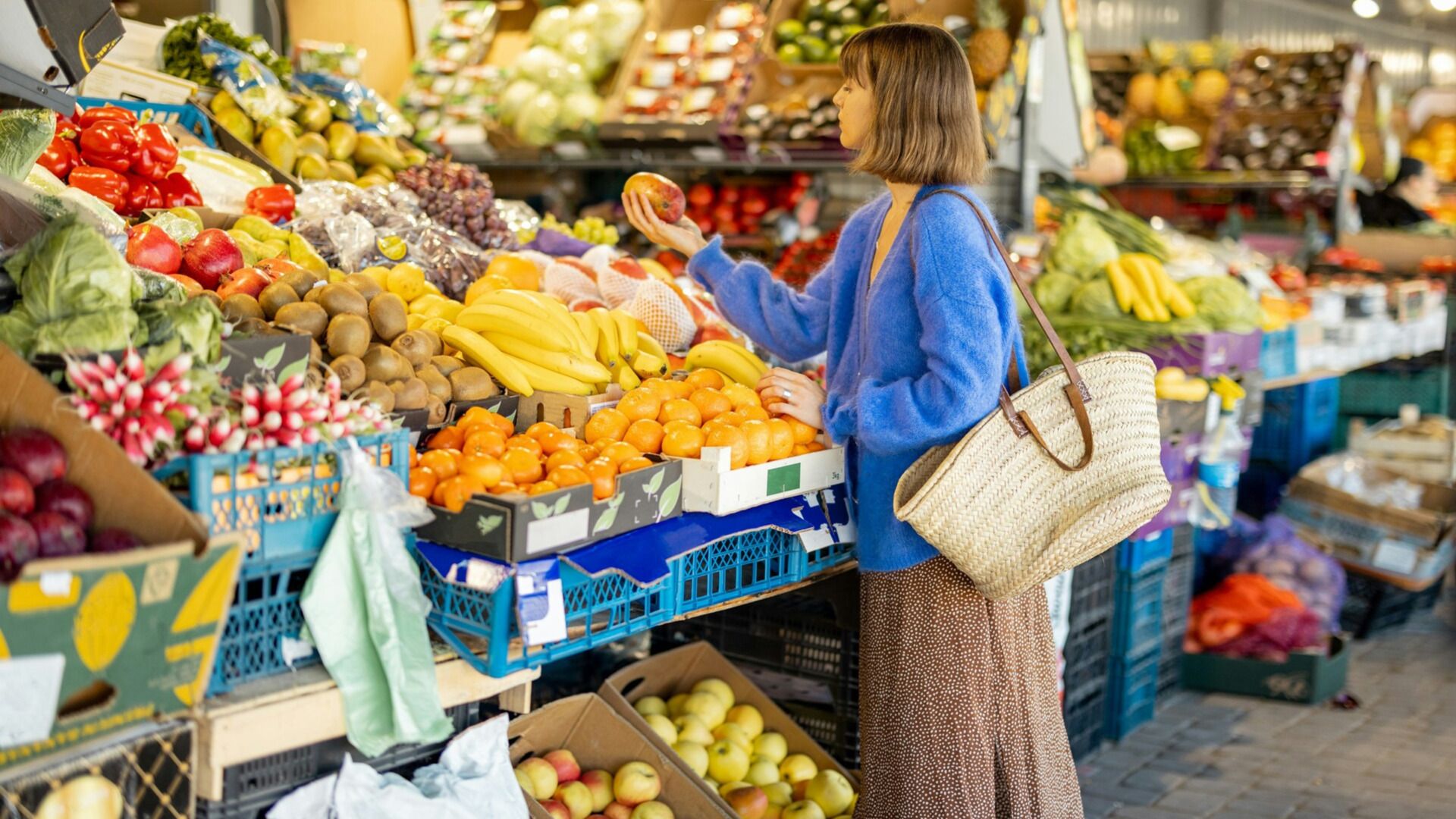
How to Waste Less Food and Money
Grocery bills are still high, and for many households, food is one of the biggest expenses. Add to that the fact that 30% to 40% of U.S. food ends up in landfills, and it’s clear that small changes in how we shop, store, and cook can make a real difference.
Planning meals around what’s already in your fridge is one of the most effective ways to save money and cut food waste. So is buying in bulk (just what you know you’ll use), sticking to a list, and choosing local or seasonal produce when you can. If you’re buying packaged foods, check expiration labels carefully. Many “best by” dates are just about quality, not safety.
Leftovers, veggie scraps, and even wilting herbs can often be repurposed into broths or sauces. And your freezer is your best friend for saving anything you won’t eat right away.
Science Links Mitochondria & Muscle Strength
As our muscles age, they naturally lose mass, strength, and function – a result of certain muscle fibers shrinking – contributing to fatigue and weakness beginning as early as our 30s. Recent research highlights that the key player in this aging process is our mitochondria, tiny-but-mighty organelles that produce more than 90% of our body’s energy. Importantly, scientists have found a strong link between decreased mitochondrial health and muscle health decline with aging, emphasizing the importance of maintaining these cellular engines.
A new way to support and improve muscle health as we age, Mitopure® by Timeline is clinically shown to meaningfully boost our mitochondrial health to improve muscle strength, without any change in exercise required.
Ready to feel stronger, for longer with Mitopure? The Canopy readers can take 30% off their first month with code NEWSLETTER30 for a limited time. While supplies last.
*500mg Mitopure® have been shown to (1) induce gene expression related to mitochondria function and metabolism and (2) increase the strength of the hamstring leg muscle in measures of knee extension and flexion after 4 months in overweight 40-65 year olds.

Thank you to Timeline for sponsoring The Canopy.
Sunset of the Day in Santa Fe
The Canopy reader Julie shared this gorgeous Santa Fe, New Mexico sky, where layers of clouds picked up every bit of the evening’s color. Warm oranges and deep purples stretched across the horizon, with birds gliding through just as the light began to fade. A quiet, breathtaking close to the day.
Thanks to Julie for sending this in. If you’ve captured a sunset that made you stop and breathe a little deeper, we’d love to see it too!

Image courtesy of The Canopy reader, Julie.
This Cat Litter Is Made From Plants
Clay cat litter is common in the U.S., but the dust it releases can raise health concerns for both people and pets. Traditional clay contains crystalline silica, a substance the CDC and OSHA classify as a known human carcinogen when inhaled in significant or repeated amounts. Scooping or pouring can release fine dust that lingers in the air, and cats breathe it in every time they dig.
Tailfeather offers a cleaner, safer alternative. Their plant-based, clumping litter is made from coconut and cassava—materials that naturally absorb liquid, reduce dust, and feel soft under paws. Coconut husk can hold up to nine times its weight, making Tailfeather lightweight, low-tracking, and easy to maintain.
It’s fully biodegradable, 100% plastic-free (including the packaging), and delivered to your door. Each package lasts up to 8 weeks, double many traditional litters.
For the next 24 hours, Canopy readers get a $15 credit on your first order with code Canopy15.

Thank you to Tailfeather for sponsoring The Canopy.
Quick Picks:
From seasonal recipes to meaningful blooms, check out this week’s top eco-friendly finds:
Reflections:
🌎 True or False: True. Aluminum cans can be recycled infinitely without losing quality.
🌅 Sunset Of The Day: The sun can provide the most beautiful photography. That's why we're eager to see your favorite sunrise or sunset photos. Reply to this email with your best sun-based pictures for a chance to be featured!