- The Canopy
- Posts
- 🌳 What is the BearID project?
🌳 What is the BearID project?
Monday 2/23: Sponsored by Tailfeather and Timeline - BearID project, sustainable food recipes, and sunset of the day

Monday
“The magic in new beginnings is truly the most powerful of them all.”
Josiyah Martin
In today’s issue, we’ll take a look at:
How facial recognition is helping protect wild bears
Sunset of the day in Madeira Beach, Florida
This cat litter is made from plants
Make the most of leftovers
What science shows about muscle strength
Did You Know
Using a dish towel instead of paper towels can save __ rolls a year.
Scroll to the bottom for the answer.

How Facial Recognition Is Helping Protect Wild Bears
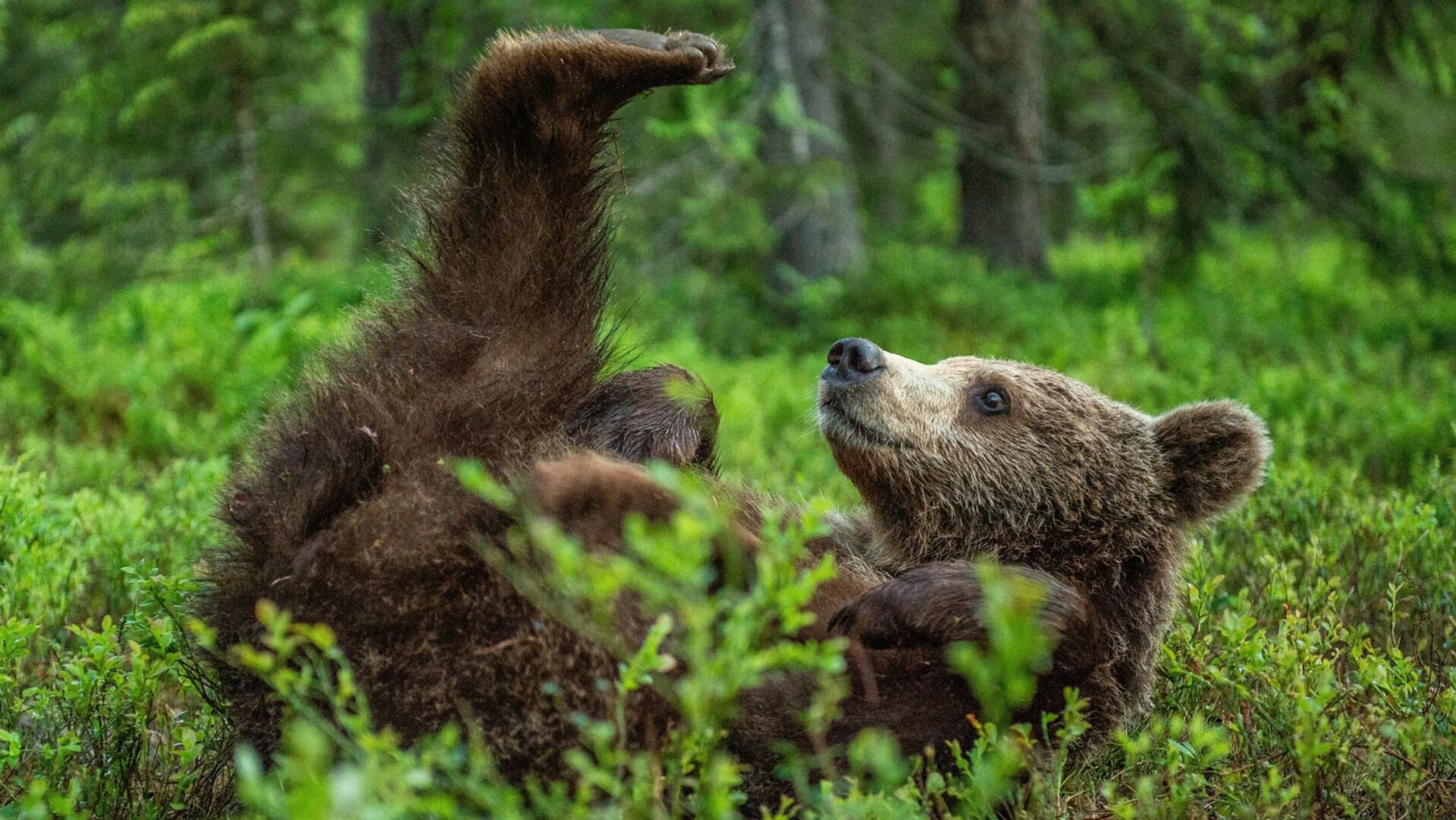
A new use of artificial intelligence is helping researchers get to know bears as individuals, without ever needing to disturb them. A project called BearID uses facial recognition software to study photos of bears, focusing on features that don’t change much over time, like the spacing between the eyes or the shape of the nose. Even though a bear’s body can look very different from spring to fall, its face stays surprisingly consistent.
By matching new photos to existing images, scientists can follow individual bears across seasons and years. That makes it easier to estimate populations, understand behavior, and respond more accurately when a bear is involved in a rare human encounter. It also reduces the need for stressful capture methods or expensive DNA testing.
For conservationists, this kind of technology offers a gentler way to protect wildlife. And for the rest of us, it’s a reminder that even animals we tend to see as “just wildlife” have distinct lives and stories, ones that science is finally learning how to recognize, one face at a time.
Sunset of the Day in Madeira Beach, Florida
This glowing moment comes from a Canopy reader watching the sun sink into the Gulf at Madeira Beach, Florida. Gentle waves rolled in under a sky dotted with clouds, each one catching the warm light just before dusk.
With soft foam tracing the shoreline and golden reflections stretching across the water, it’s a reminder that even the day’s end can feel full of possibility.
Thanks to a Canopy reader for sending in this gorgeous Florida sunset. Have a sunset or snapshot you’d love to share? We’d love to see it. Send it our way for a chance to be featured in The Canopy.

Image courtesy of The Canopy reader.
5 Billion Pounds of Cat Litter Ends Up in Landfills Each Year
Most traditional cat litters are made from strip-mined clay or silica. Both end up in landfills when thrown away and are not biodegradable.
A new natural cat litter called Tailfeather is changing this with their eco-friendly, plant-based, clumping cat litter made from coconut and cassava.
Why coconut? The husk of the coconut absorbs liquid up to 9 times its weight! This makes for a soft, luxurious litter that cats love and is 70% lighter than traditional litter, but also doesn't track and bounce out of the box.
It's fully biodegradable and 100% plastic-free, including the packaging. Tailfeather is delivered conveniently to your door, and each package lasts for 8 weeks, double the amount of other litters.
For the next 24 hours, Canopy readers get a $15 credit on your first order with code Canopy15.

Thank you to Tailfeather for sponsoring The Canopy.
Make the Most of Leftovers
Food scraps don’t have to head straight for the trash. Plant-based food blogger Carleigh Bodrug shares simple, low-effort ways to turn everyday kitchen leftovers into ingredients you’ll actually want to use. What started as a money-saving habit quickly became her popular “scrappy cooking” approach to reducing food waste.
Some ideas are surprisingly easy. Strawberry tops can steep in vinegar for a couple of days to create a lightly fruity dressing base. Orange peels can be simmered and candied into a sweet snack or dessert topping. Even the liquid from canned chickpeas, known as aquafaba, can be whipped into a rich, chocolatey pudding that mimics traditional mousse.
There’s even a use for date pits, which can be roasted and ground into a caffeine-free coffee alternative. The takeaway is simple: with a little creativity, food scraps can stretch grocery budgets, reduce waste, and make everyday cooking feel more intentional, without adding much extra work.
Science Links Mitochondria & Muscle Strength
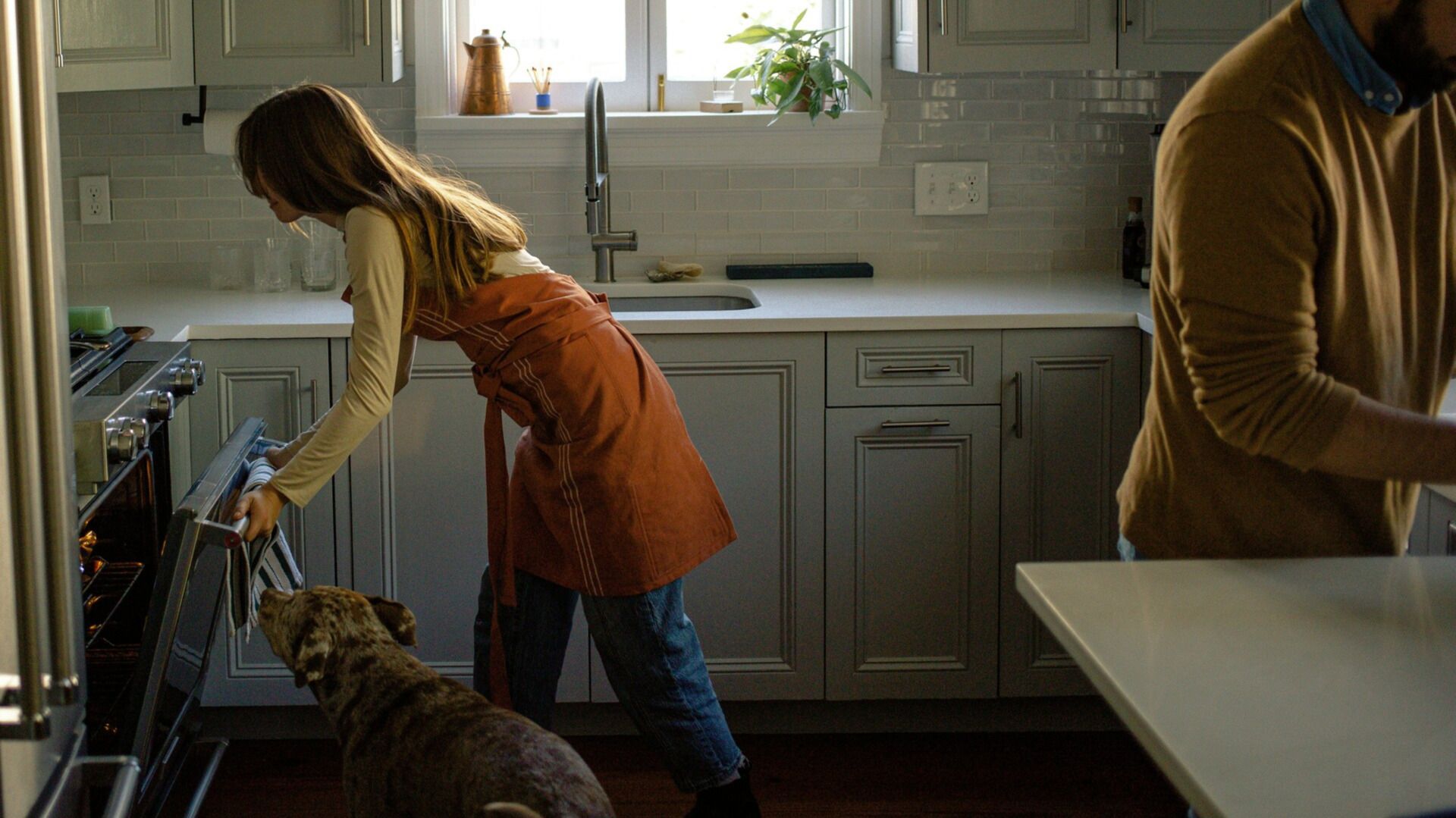
As our muscles age, they naturally lose mass, strength, and function – a result of certain muscle fibers shrinking – contributing to fatigue and weakness beginning as early as our 30s. Recent research highlights that the key player in this aging process is our mitochondria, tiny-but-mighty organelles that produce more than 90% of our body’s energy. Importantly, scientists have found a strong link between decreased mitochondrial health and muscle health decline with aging, emphasizing the importance of maintaining these cellular engines.
A new way to support and improve muscle health as we age, Mitopure® by Timeline is clinically shown to meaningfully boost our mitochondrial health to improve muscle strength, without any change in exercise required.
Ready to feel stronger, for longer with Mitopure? The Canopy readers can take 30% off their first month with code NEWSLETTER30 for a limited time. While supplies last.
*500mg Mitopure® have been shown to (1) induce gene expression related to mitochondria function and metabolism and (2) increase the strength of the hamstring leg muscle in measures of knee extension and flexion after 4 months in overweight 40-65 year olds.

Thank you to Timeline for sponsoring The Canopy.
Reflections:
🌎 Did You Know: Using a dish towel instead of paper towels can save 50 rolls a year.
🌅 Sunset Of The Day: The sun can provide the most beautiful photography. That's why we're eager to see your favorite sunrise or sunset photos. Reply to this email with your best sun-based pictures for a chance to be featured!